.png)
GHK-Cu Peptide: The Science Behind the Social Media Skincare Star

Peptides have exploded on social media lately, but amid all the hype , one peptide keeps rising above the noise: GHK-Cu. What is it? Why are people buzzing about it ? And is it scientifically proven?
What is GHK-Cu?
GHK-Cu (short for Glycyl-L-Histidyl-L-Lysine Copper) is a naturally occurring copper peptide found in human plasma, saliva, and urine. In simpler terms: your body already makes it.
Its primary role? Tissue repair and regeneration. Scientists first discovered GHK-Cu in the 1970s when they noticed it had powerful wound-healing and skin-repair properties.
As we age, our natural levels of GHK-Cu decline, which is where supplementation and topical use come into the conversation.

Why Is GHK-Cu Blowing Up on Social Media?
The recent surge in popularity can be traced to a few major trends:
The rise of skin longevity and anti-aging conversations
Increased interest in biohacking and regenerative wellness
A shift away from harsh actives toward skin barrier repair
Influencers showcasing real (sometimes dramatic) skin transformations
GHK-Cu fits perfectly into the “heal, don’t strip” philosophy that many people are adopting after years of over-exfoliation.
Benefits of GHK-Cu Peptide
Research and anecdotal evidence suggest GHK-Cu may support:
1. Skin Repair & Wound Healing
GHK-Cu helps stimulate collagen and elastin production, supporting faster healing and healthier skin structure.
2. Anti-Aging Support
By encouraging collagen synthesis, GHK-Cu may help reduce the appearance of fine lines, wrinkles, and loss of firmness.
3. Reduced Inflammation
Copper peptides have anti-inflammatory properties, making them appealing for sensitive, acne-prone, or compromised skin barriers.
4. Hair & Scalp Health
Some studies suggest GHK-Cu may support hair follicle health and is now being explored in scalp and hair-growth formulations.
5. Overall Tissue Regeneration
Beyond skin, GHK-Cu has been studied for its potential role in nerve repair and overall cellular regeneration, which is why it’s also discussed in wellness and peptide therapy spaces.
Topical vs Injectable GHK-Cu
You’ll see GHK-Cu show up in two main forms:
Topical (Serums, Creams)
Most accessible and beginner-friendly
Used for skin repair, anti-aging, and barrier support
Lower risk and widely available
Injectable / Systemic Use
Often discussed in biohacking or peptide therapy communities
Requires medical supervision
Not something to experiment with casually
Important note: Always consult a qualified professional before considering injectable peptides.
Is GHK-Cu Safe?
Topical GHK-Cu is generally considered safe when used as directed. However:
Overuse may cause skin irritation for some
Copper peptides don’t always pair well with strong actives (like high-strength vitamin C or retinoids in the same routine)
Quality and formulation matter a lot
As with anything trending online: more isn’t better.
Is GHK‑Cu Right for You?
GHK‑Cu isn’t a one‑size‑fits‑all miracle ,and that’s important to say out loud.
You might be a good candidate for topical GHK‑Cu if you:
Are focused on long‑term skin health rather than instant results
Have sensitive, acne‑prone, or barrier‑compromised skin
Are recovering from over‑exfoliation or aggressive actives
Want to support collagen and elasticity in a gentler way
Are interested in skin longevity, not just anti‑aging
GHK‑Cu may not be ideal if you:
Expect dramatic overnight changes
Prefer strong, fast‑acting actives like high‑strength retinoids
Are currently using multiple intense actives without recovery days
Have a known sensitivity to copper‑based ingredients
Where to Buy GHK‑Cu (What to Look For)
Not all peptide products are created equal. When shopping for GHK‑Cu, formulation quality matters more than hype.
What to Look For:
Clearly listed GHK‑Cu or Copper Tripeptide‑1 in the ingredient list
Low‑irritant formulas (avoid heavy fragrance or alcohol)
Packaging that protects stability (airless pumps or opaque bottles)
Brands that share concentration transparency or formulation philosophy
Popular & Well‑Reviewed Options:
(This is not medical advice or endorsement — just commonly referenced options.)
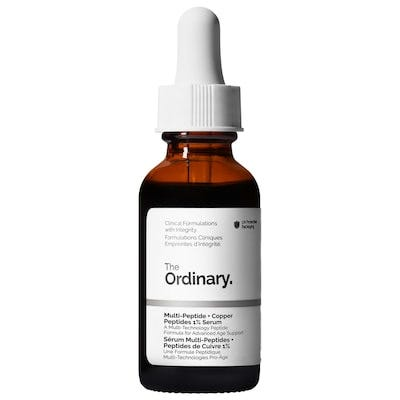
The Ordinary – Multi‑Peptide + Copper Peptides 1%
A widely accessible entry‑level option for peptide beginners.

NIOD Copper Amino Isolate Serum 3:1 NIOD – Copper Amino Isolate Serum 3:1
A higher‑end, minimalist formulation focused on skin repair and resilience.

Skin Biology / Neova Copper Peptide Products
Brands historically focused on copper peptide research and skin healing
If you’re exploring injectable or systemic peptide therapies, this should only be done under the guidance of a licensed medical professional.
GHK‑Cu won’t replace good sleep, SPF, or consistency , but as part of a thoughtful routine, it can support healthier, more resilient skin over time.
Education first. Trends second.
Comments